Movement through third places hardly seems worth even considering. It is only natural that humans might stroll through a park, walk around a mall for hours, or cross a public plaza to sit down and people watch. But are third places themselves capable of moving or being transient? It might seem impossible that a “space” -- especially one meant to be shared with others -- could be in motion. However, there have been many who have suggested that buses, trains, and other shared transport (as well as their fixed infrastructure, of course: train stations, bus stops, etc) could be considered third places.1, 2
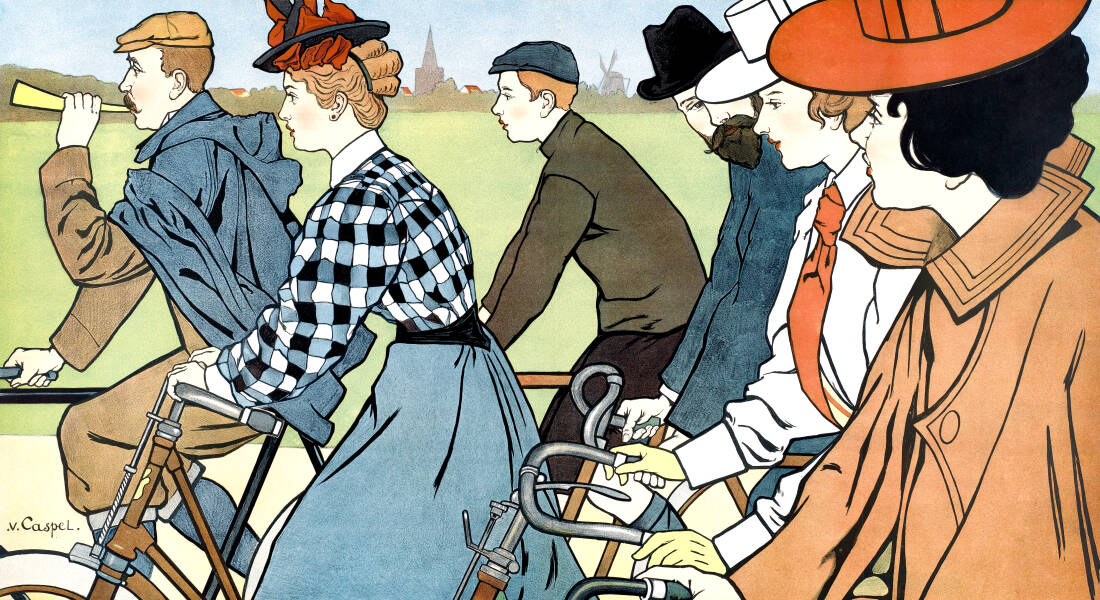
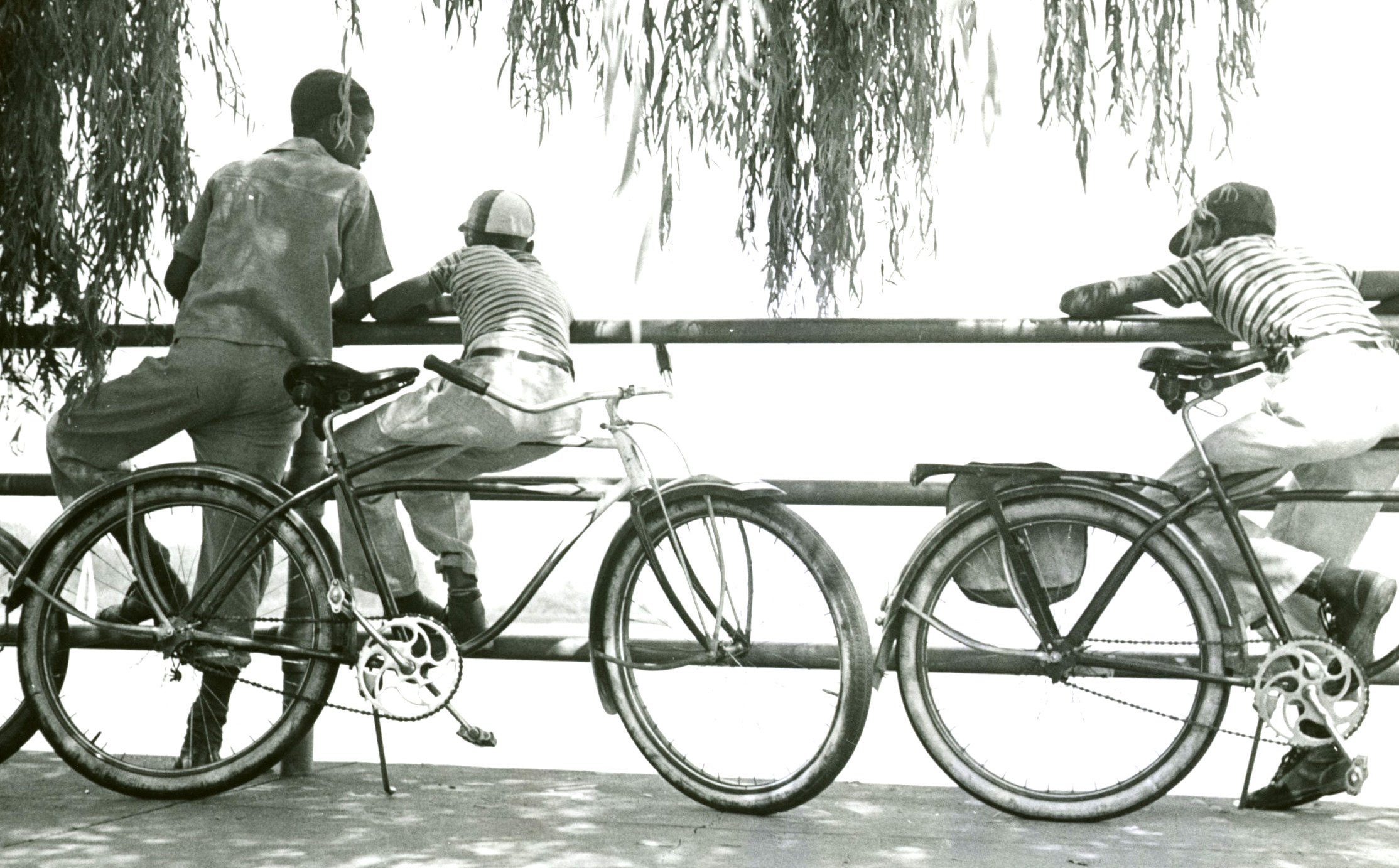
I would like to propose an extension to this idea: that cycling is also a type of third place. Oldenburg’s description of a third place as a “setting beyond home and work in which people relax in good company and do so on a regular basis” might at first seem a stretch to apply to biking. However, any bike commuter or casual cyclist might easily recognize these qualities in their rides: relaxing, regular, beyond (or between) home and work. But what of the criteria of being among good company? Almost everyone who regularly bikes in even a mildly populous area will probably have tales of eventually crossing paths with fellow cyclists and having an exchange – passing on trails, clustering at stoplights, heading out in the same direction from a common location.
Further, much like the stroll through a park or mall, the pace and openness of cycling makes movements through urban environments themselves a sort of roving third place. It is not uncommon for a cyclist to spot a friend sitting at a cafe or walking on the sidewalk and pull over to engage. Likewise, someone along a cyclist’s path can very easily shout or flag down a friend on a bike to invite them to stop – much more feasibly than if the friend is in a car, a machine which, in the words of Debord, is intentionally designed as a weapon of isolation. For example, I find myself re-routing my rides near downtown Albuquerque to utilize the new bike lanes on Central, purely due to the fact that I have had numerous interactions with friends and others along this relatively active pedestrian strip.
Cycling also fairly easily checks most boxes of Oldenburg’s eight characteristics of third places3: open, neutral, and inviting; comfortable/informal; convenient/accessible; unpretentious. The additional criteria – there being regulars, conversation, and a playful mood – do not seem unreasonable to check as well, especially in the context of busy bike routes, interactions with non-cyclists, group rides, and the like.
So, whether you are a regular cyclist or looking for a new take on third places, I recommend jumping on a bike and imagining your ride as being closely integrated with the community and spaces around it. Enjoy the journey... and the people and places along the way.